Infographics

Funding for this was made possible (in part) by the Centers for Disease Control and Prevention. The views expressed in written materials or publications and by speakers and moderators do not necessarily reflect the official policies of the Department of Health and Human Services, nor does the mention of trade names, commercial practices, or organizations imply endorsement by the U.S. government.


The ITCA Health and Human Services (HHS) has developed and distributed the infographics below to support tribal communities in responding to GHWIC tobacco topics. Tribes are welcome to download, print, and distribute these materials. Please contact ITCA HHS staff if you have any questions about the materials, if you’d like to add your Tribe seal to the infographic, if you want to request development of a infographic related to the GHWIC Strategy Areas, or experience any difficulty in downloading the files.

Tobacco

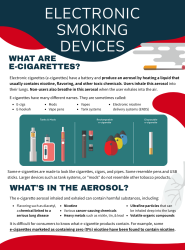
  • Electronic Smoking Devices

Electronic Smoking Devices

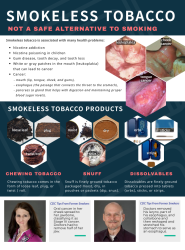
  • Smokeless Tobacco

Smokeless Tobacco

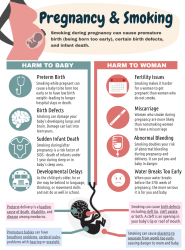
  • Pregnancy & Smoking

Pregnancy & Smoking

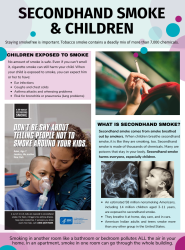
  • Secondhand Smoke & Children

Secondhand Smoke & Children

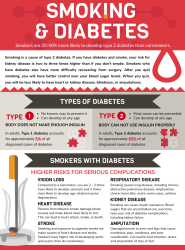
  • Diabetes & Smoking

Smoking & Diabetes

  • Heart Disease & Tobacco
Heart Disease & Tobacco

 

Consumer Alerts

Emergency Preparedness

Food Safety Information

***************************************************************************************************************************************************************************************************************************************************************

Things you Need to know

WATCH OUT FOR Spoofing SCAMS!!!

What is a Spoofing Scam?

A Spoofing scam is when a caller deliberately falsifies the information transmitted to your caller ID display to disguise their identity. Spoofing is often used as part of an attempt to trick someone into giving away valuable personal information so it can be used in fraudulent activity or sold illegally, but also can be used legitimately, for example, to display the toll-free number for a business.

***************************************************************************************************************************************************************************************************************************************************************

Medicare Open Enrollment 

 Protect Yourself from Marketing and Enrollment Fraud 

Watch out for people who:

  • Pressure you to join their plan
  • Tell you they represent Medicare and want to offer you a service for free
  • Call you or visit your house without your permission to offer services or equipment
  • Offer free consultations only to people with Medicare and ask for your Medicare number
  • Inform you that you will lose your Medicare benefits unless you sign up for a certain plan.

If you feel you have experienced marketing violations or enrollment fraud:

  • Save all documents or suspicious information (marketing materials, business cards, voicemails)
  • Contact your local Senior Medicare Patrol (SMP). You can visit www.smpresource.org or call 877-808-2468 to find your local SMP.

*******************************************************************************************************************************************************************************************************************************************

2024 Open Enrollment Medicare coverage  for Part D is from October 15 to December 7.

During this annual enrollment period (AEP) individuals can make changes to various aspects of your coverage.

  • You can switch from Original Medicare to Medicare Advantage, or vice versa.
  • You can also switch from one Medicare Advantage plan to another, or from one Medicare Part D (prescription drug) plan to another.
  • And if you didn’t enroll in a Medicare Part D plan when you were first eligible, you can do so during the general open enrollment, although a late enrollment penalty may apply.

If you want to enroll in a Medicare Advantage plan, you must meet some basic criteria.

*If you are an American Indian /Alaskan Native and utilize Indian Health Services, You will need to know that Medicare Advantages plans are not accepted by your local IHS facility.

Auto-renewal is available

  • If you’re already enrolled in a Medicare Part D prescription plan or a Medicare Advantage Plan and you don’t want to make changes to your coverage for 2019, you don’t need to do anything during open enrollment, assuming your current plan will still be available in 2019.
  • If your plan is being discontinued and isn’t eligible for renewal, you would have received a non-renewal notice from your carrier prior to open enrollment. If you didn’t, it means you can keep your plan without doing anything during open enrollment.

Benefits and Premium changes for 2024

  • Be aware that your benefits and premium could be changing for 2024. So even if you’re confident that you want to keep your current coverage for the coming year, it’s important to make sure you understand any changes that may apply, and that you’ve double checked to make sure that your current plan is still the best available option. The available plans and what they cover changes from one year to the next, so even if the plan you have now was the best option when you shopped last year, it’s important to verify that again before you lock yourself in for another year.

* Medicare General Enrollment for Part A & Part B  is in January 1 – March 31 of every year 

When considering a Part D plan:

  • Does the plan cover all the medications I take?
  • Does the plan have restrictions on my drugs, such as prior authorization, step therapy, or quantity limits?
  • How much will I pay for monthly premiums and the annual deductible?
  • How much will I pay at the pharmacy for each drug I take?
  • Is my pharmacy in the plan’s preferred network?
  • Can I fill my prescriptions by mail order?
  • What is the plan’s star rating?

************************************************************************************************************************************************************************************************************************************************


Public Benefit Outreach Flyer

ICIN Resources

ICIN Resources

Resources listed here are for Tribal Law Enforcement and Tribal Communities for information and reporting purposes:

ICIN Links

State of Arizona Links:

Law Enforcement:

Certification:

Intelligence and Criminal Justice:

Federal Links:

Law Enforcement Organizations:

Title III & VI Monitoring

FY 2024 ITCA-AAA Title III & VI Monitoring Schedule

FY24 TIII & TVI Monitoring Schedule

FY 2022 Monitoring Schedule:

FY22 Title III & Title VI Monitoring Schedule

FY 2020 Monitoring Schedule:

FY2020 Title III ITCA-AAA Monitoring Schedule

FY 2019 Monitoring Schedule:

FY2019 ITCA-AAA Monitoring Schedule Rev. 2.28.19

FY 2018 Monitoring Schedule:

Rev. 5.18.18_FY2018 ITCA-AAA Monitoring Schedule 

FY2018 Monitoring Checklist for Admin, C1 & C2 Services

FY 2017 Monitoring Schedule:

FY2017 ITCA-AAA Monitoring Schedule

FY2017 Monitoring Checklist 12.6.16

Technical Assistance to Tribal Communities

The Inter Tribal Council of Arizona (ITCA) Tribal Water System Program is dedicated to providing technical assistance to tribes in order to develop technical, managerial, and financial capacity (TMF), as well as water & wastewater utility sustainability through education, access to resources, training, and technical assistance. The program partners with federal agencies and other organizations to ensure these services are available to Tribal Water Utility operators and managers.

Want to Learn more? CLICK HERE

Title III – Recorded Webinars

Caregiver Webinars:

New Caregiver Reporting Forms Webinar 10/30/17

pp reporting forms 10.28.17 (Handout)

Recent Webinars:

FY 2016 Closeout Discussion (June 22, 2016) 

DAARS Recorded Tutorials: 

Title III Congregate Meals – 9.29.15

DAARS Tutorial – Adding New Authorization Period 11.09.15 

DAARS Tutorial Annual Reassessment 11.04.15 

Recorded Webinars: 

Q&A DAARS Session (Recorded Webinar) – 9/30/2015

FY2016 Title III Program Manager’s Meeting – 10/6/2015
FY 2016 Title III Service Reporting PPT_10.6.15 (Handout)

Title VI Manual & Forms

Eligibility Requirements for Title VI Funds

  • American Indian/Alaska Natives
  • Funds are to be used for elders (Tribe determines age of elders)
  • The spouse of an eligible individual
  • Volunteers who assist during mealtimes
  • Persons with a disability who reside with eligible individuals

Administration on Aging Title VI Resource Manual

Title VI Annual Program Performance Report (PPR)

Title VI Quarterly Program Performance Report (PPR) for ITCA Consortium Tribes Only

Helpful Websites

Contact

Laurai AtcittyAAA Director
Laurai.Atcitty@itcaonline.com

Mary WestonAAA Program Manager
Mary.Weston@itcaonline.com

Jackie EdwardsFamily Caregiver Support Program Coordinator
Jackie.Edwards@itcaonline.com

Nanette Taho, AAA Program Manager
Nanette.Taho@itcaonline.com

Roxanne Thomas, AAA Program Specialist II
Roxanne.Thomas@itcaonline.com

Flor Olivas, AAA Tribal Ombudsman Specialist II
Flor.Olivas@itcaonline.com

Local Air Quality News


Navajo Nation Witnesses Changing Landscape: Growing Sand Dunes


U.S. requires Arizona and New Mexico plant owners to reduce emissions at Four Corners Power Plant on Navajo Nation


Revised Air Pollution Plan for an Arizona Coal-Fired Plant Spurs Debate


‘Polluted Parks’ Analysis Finds Southwestern National Parks Among Worst in Air Quality


Report: Valley’s air quality suffers, drought blamed


Valley Fever: What In The Haboob Am I Talking About?


American Lung Association State of the Air 2015 – Arizona


EPA awards $1.2 million brownfields grants to three Arizona communities


Phoenix Ranks 11th on EPA’s Energy Star Top Cities List

National Air Quality News


FACT SHEET: White House Launches American Business Act on Climate Pledge


The Administration Takes a Big Step in Addressing Climate-Damaging HFCs


In Perspective: the Supreme Court’s Mercury and Air Toxics Rule Decision


EPA: Launching a New Era of State, Tribal, Local and International Partnerships


EPA announces availability of $1 million for tribes to upgrade diesel engines


Air Quality Publications

Dusty the Asthma Goldfish          Get To Know CO Alarms Comic

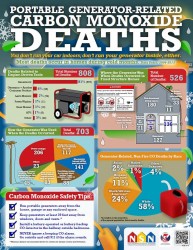
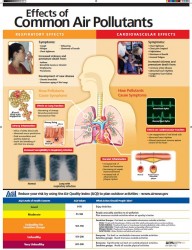
Carbon Monoxide Deaths Fact Sheet          Effects of Common Air Pollutants

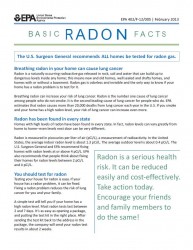
Basic Radon Facts          Asthma Prevention

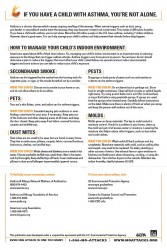
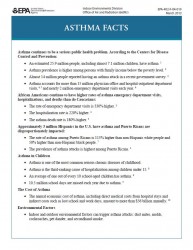
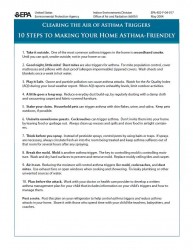
Asthma Fact Sheet          10 Steps to Making Your Home Asthma-Friendly

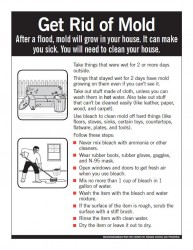
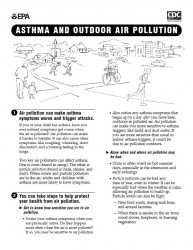
Get Rid of Mold          Asthma and Outdoor Air Pollution

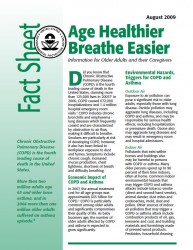
Asthma & Allergies          Age Healthier Breathe Easier

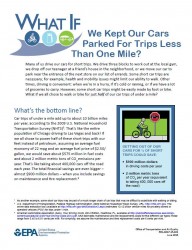
What If We Kept Our Cars Parked          What If We Drove Our Most Efficient Car

Healthy Homes Brochure          Healthy Homes Action Card

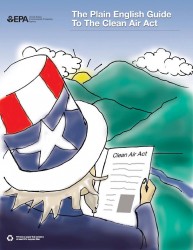
The Plain English Guide to the Clean Air Act

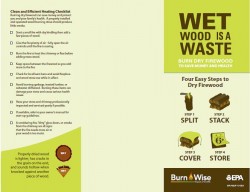
Wet Wood is a Waste

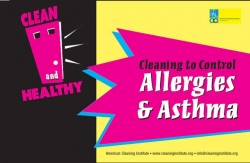
Cleaning to Controll Allergies & Asthma

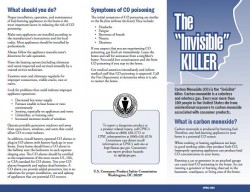
Carbon Monoxide the Invisible Killer

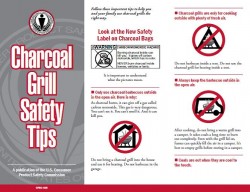
Charcoal Grill Safety Tips


Pesticide Safety Part 1

https://www.youtube.com/watch?v=GmrkVFk_YxA

Pesticide Safety Part 2

https://www.youtube.com/watch?v=53K3IPnUjdU

EPA Office of Air and Radiation Tribal Air

http://www.epa.gov/air/tribal/index.html

EPA Region 9 Tribal Program

http://www.epa.gov/region9/tribal/

Institute for Tribal Environmental Professionals (ITEP)

http://www4.nau.edu/itep/

National Tribal Air Association (NTAA)

http://www.ntaatribalair.org/

Information for Bidders

ITCA Contractual Provisions

Title III Reporting Forms

View Links, Handbooks, and Resources Here 

2023-ITCA-Title-III-Reports per Service (1)

A Matter of Balance

Caregiver Training

Caregiver Outreach / Caregiver Information & Referral

Congregate Meals

Enhance Fitness

Home Delivered Meals 

Long Term Care / Ombudsman

Public Benefit Outreach Project Form

Respite Care Forms

Socialization & Recreation

Supplemental Handouts

Transportation

AAA Brochures

AREA AGENCY ON AGING (AAA), REGION 8 BROCHURE

AMERICAN INDIAN COUNCIL ON AGING (AICOA) BROCHURE

ELDER ABUSE BROCHURE

NUTRITION EDUCATION

SUMMER HEALTH BROCHURE

State Health Insurance Program Infographic Congressional Week

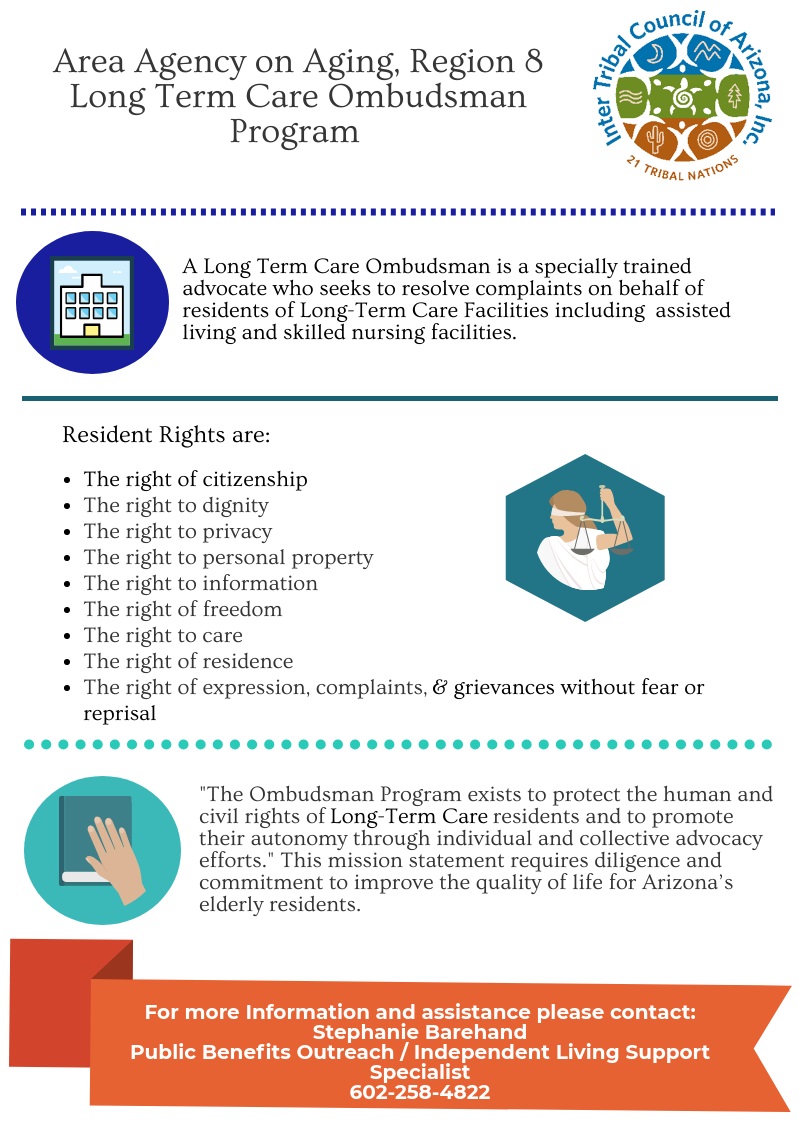
TLTCOP infographic

Public Benefit Outreach Flyer

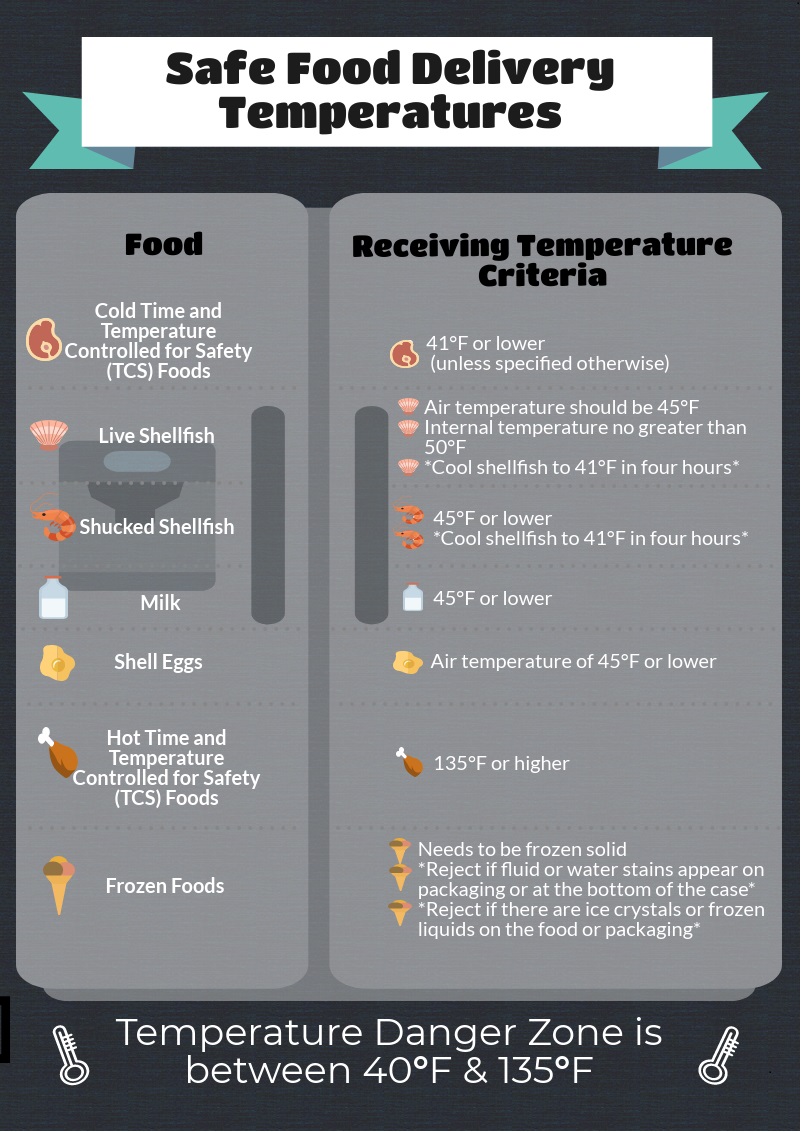
Proper Receiving Temps Infographic


Legacy of the Inter Tribal Council of Arizona

Legacy of ITCA

Legacy of ITCA Project
The ‘Legacy of the Inter Tribal Council of Arizona’ Project (hereinafter referred to as “Project”) is analyzing the role of ITCA in the development of national Indian policy from the critical era following World War II to the present.  The Project is exploring the role of Tribes in Arizona and ITCA in the development of federal self-determination policy and practices focusing on the perspectives of tribal leaders who founded and led the Association. The Project is also documenting the evolution of ITCA, including interviews with executive staff, identifying the goals and activities from its earliest years, as well as the strategies and tactics used by ITCA’s leadership in accomplishing collective goals over time.

Read More: Click Here

Arizona Strategic Highway Safety Plan

http://azdot.gov/shsp

TEC Partnerships

Arizona Secretary of State

http://www.azsos.gov

Arizona Tribal Solid Waste Listserv

The Tribal Solid Waste Program oversees the Tribal Solid Waste listserv in order to provide tribes with education, outreach, technical assistance and dissemination of solid and hazardous waste information. ITCA invites you to participate in this listserv to coordinate efforts for the betterment of tribal solid and hazardous waste programs.  For more information on the listserv, please see the link below:

http://groups.yahoo.com/group/aztribal_waste/