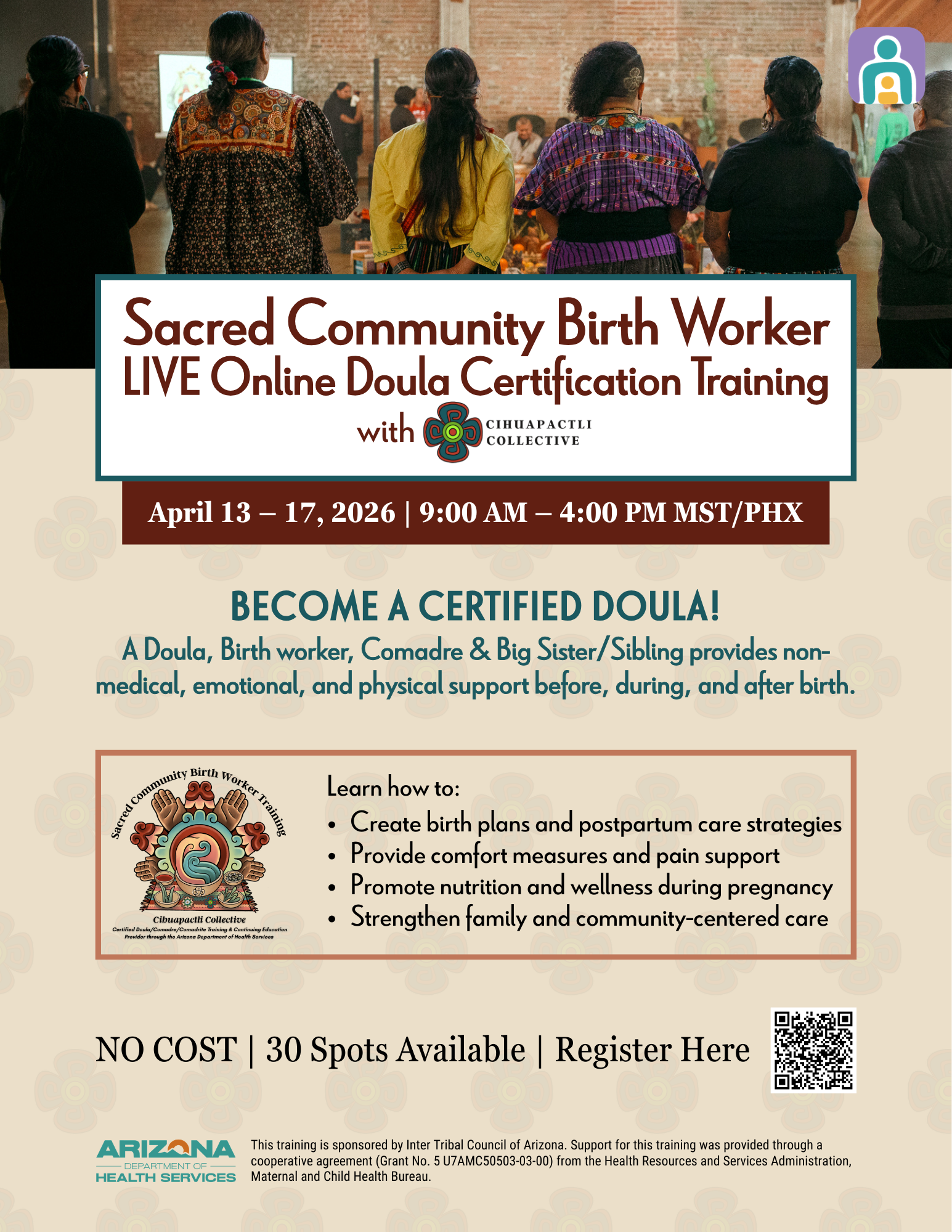
NO COST virtual training to become a certified Doula, Birth Worker, Comadre & Big Sister/Sibling presented by the Cihuapactli Collective.
Date: April 13-17, 2026
Time: 9:00 AM-4:00 PM MST/PHX
Location: Online – Zoom
30 spots available, register now!
Tribal Toolkit for Navigating Federal Grant Terminations
The Tribal Toolkit for Navigating Federal Grant Terminations was developed by the Coalition for Tribal Sovereignty (CTS) to assist Tribal Nations and Tribal organizations in navigating federal grants in an uncertain funding climate. This toolkit is equipped with five handouts to help Tribal Nations and Tribal organizations navigate specific areas of the grant management, termination, appeal, and closeout process accompanied by associated template materials for appealing and related advocacy. The handouts contain links to the relevant template materials. Each template has an instruction sheet for use. Please download review the instruction sheets first to help tailor and optimize the materials effectively for your individual needs. This information is intended only for informational purposes and does not constitute legal advice. All Tribal Nations and Tribal organizations who use this toolkit are encouraged to consult an attorney for specific guidance
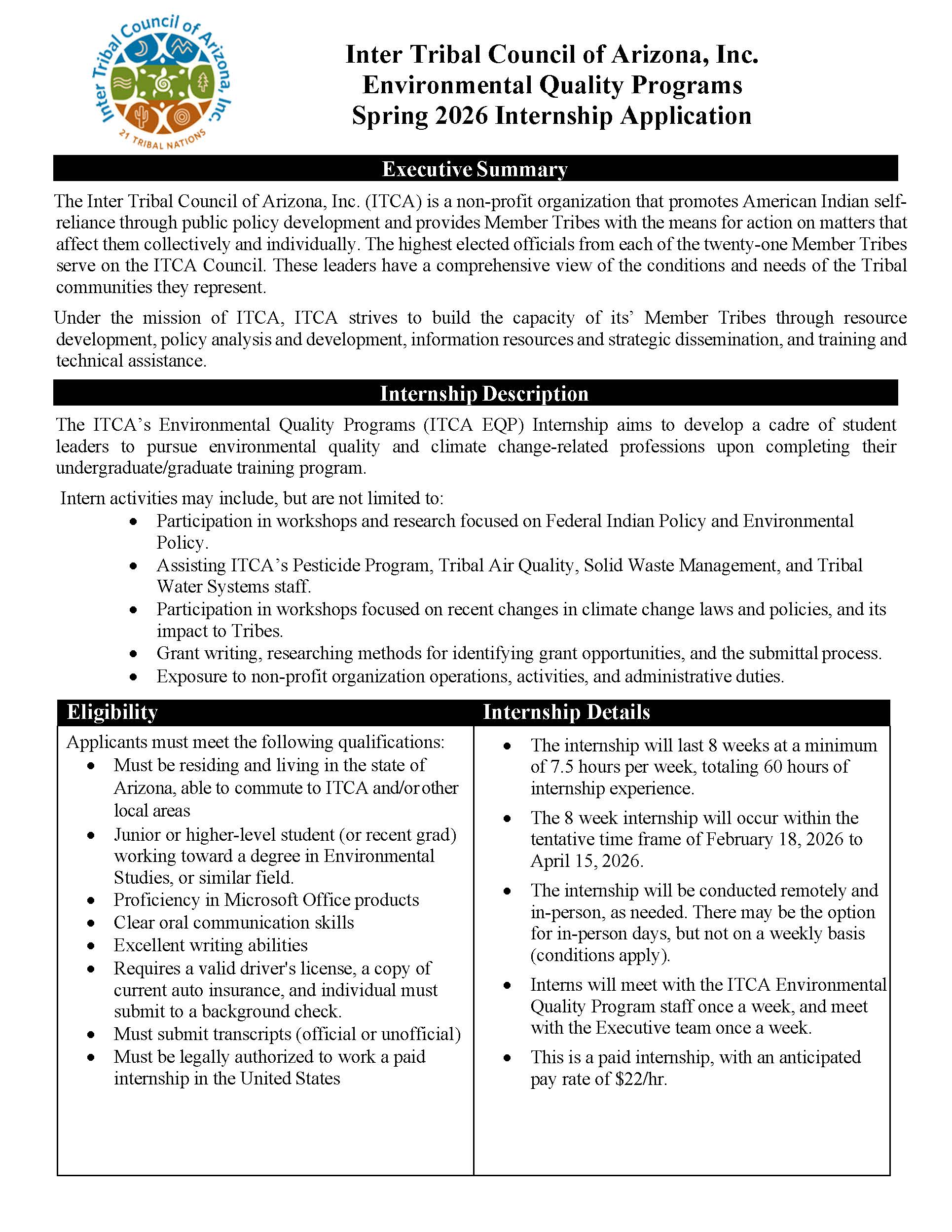
Environmental Quality Programs Spring 2026 Internship
The ITCA’s Environmental Quality Programs (ITCA EQP) Internship aims to develop a cadre of student leaders to pursue environmental quality and climate change-related professions upon completing their
undergraduate/graduate training program.
Intern activities may include, but are not limited to:
- Participation in workshops and research focused on Federal Indian Policy and Environmental Policy.
- Assisting ITCA’s Pesticide Program, Tribal Air Quality, Solid Waste Management, and Tribal Water Systems staff.
- Participation in workshops focused on recent changes in climate change laws and policies, and its impact to Tribes.
- Grant writing, researching methods for identifying grant opportunities, and the submittal process.
- Exposure to non-profit organization operations, activities, and administrative duties.
Policy Report: Preventing Maternal Mortality and Morbidity
Wide preventability gaps such as: systemic underfunding, poor access to culturally anchored care, and rural maternity care shortages, coupled with major data obstacles including under counting, racial misclassification, data aggregation and viewing this population as a “small numbers” population obscure the full scope of disparities, leading to policy blind spots. Five additional policy reports: “From Barriers to Bridges”, “Strengthening Maternal Health Data”, “Building Systems of Care”, and “Workforce Equity in Maternal Health”, can be found here under Public Health and Policy Resources.
How Comprehensive Community Planning Helps Tribes
Planning can empower tribal governments to make informed decisions about issues in their tribes based on discussions with stakeholders in their community. It can ensure that issues are understood and that priorities can be agreed upon, and create an appreciation for how issues are related to each other. When tribal citizens participate in the government’s planning process, it can help a tribe to unify around a particular goal. A cohesive and unified tribal nation can foster a stronger environment for economic opportunities for all segments of its society.
Notice of RFP Cancellations
December 15, 2025
Notice of Cancellation – RFP Announcements
Inter Tribal Council of Arizona, Inc. Tribal Epidemiology Center (ITCA TEC)
The ITCA TEC is cancelling the two Requests for Proposals regarding the following two topics:
- Artificial Intelligence (AI) Capacity Building Program
- Cyber Security Data Protection Capacity Building Program
We thank all vendors for their interest and due to unexpected funding issues; however, these two Request for Proposal announcements are cancelled.
ITCA TEC is a program within a nonprofit organization, which relies on grant funding to carry out work within the communities that we serve. If any similar opportunities arise in the future, we will establish a new announcement. Again, we thank all vendors for their interest; however, the projects can no longer be funded.

National Workgroup Summit for Personnel of Tribal Water & Wastewater Utilities, September 14-18, 2026, in Mesa, Arizona (Event ID #26015, in-person)
Includes:
- Training for Personnel of Tribal Water/Wastewater Utilities
- Utility Resilience Training Workshop
- Source Water Protection Training Workshop
- 2026 Operator of the Year Award Ceremony
- Operator Certification Paper-Booklet Exam Session
- Travel Expense Reimbursement Stipends Available
Meets: Monday through Friday (in-person)
Dates: September 14-18, 2026
Times: 8 a.m. – 5 p.m. (local time)
Location: Mesa, Arizona
Description
Since 1983, the Tribal Water & Wastewater Utilities Workgroup meetings have been a forum for personnel of Tribal water and wastewater utilities to share ideas and concerns with peers, attend short training sessions, and contribute directly to the continuing development and planning of the certification, training, and technical assistance services provided by the Inter Tribal Council of Arizona, Inc. (ITCA).
As professional water/wastewater utility and environmental staff, your feedback is vital to maintaining the quality and effectiveness of the National Tribal Water & Wastewater Operator Certification Program at ITCA. You are encouraged to participate in the roundtable sharing session and bring ideas or suggestions to the meeting. The ITCA Program is your program and all input and suggestions are welcomed. The Tribal Water Utilities Workgroup meetings help ensure that these services are genuinely “by tribes and for tribes.”
Click here: Brochure & Registration Forms
Click here: Electronic Registration
Click here: Application for Certification and Need to Know Exam Criteria
Addressing Maternal Health Disparities in American Indian and Alaska Native Communities
American Indian and Alaska Native women face maternal mortality rates two to three times higher than white women, driven by systemic inequities and under-resourced care. Over 90% of these deaths—often linked to mental health and hemorrhage—were preventable, underscoring the urgent need for culturally competent, data-informed solutions.
Addressing Maternal Health Disparities in American Indian and Alaska Native Communities
Nomination Request for the 2026 Operator of the Year
Nomination Request for the 2026 Operator of the Year Award for Personnel of Tribal Water/Wastewater Systems
Have you noticed a dedicated water/wastewater operator working in Indian Country who:
- Goes above and beyond assigned job duties?
- Lends support to co-workers or staff members?
- Provides assistance to another utility?
- Volunteers within the community?
- Consistently goes the extra mile?
Here is your chance to recognize and celebrate the dedication, professionalism, and commitment of Tribal water and wastewater personnel who safeguard public health and the environment. The Inter Tribal Council of Arizona, Inc. (ITCA), through its National Tribal Water Systems Programs, is now accepting nominations for the 2026 Operator of the Year Award, honoring outstanding professionals serving Tribal communities across Indian Country.
A committee of volunteer Tribal water and wastewater operators will review the nominations and select the recipient of the 2026 Operator of the Year Award. All nominees and the selected winner will be announced and formally recognized at the Awards Ceremony on September 18, 2026, held during the National Tribal Water Utilities Workgroup Meeting.
Eligibility Requirements
To be eligible for nomination:
- The nominee must currently work at a Tribal water or wastewater system serving fewer than 5,501 people.
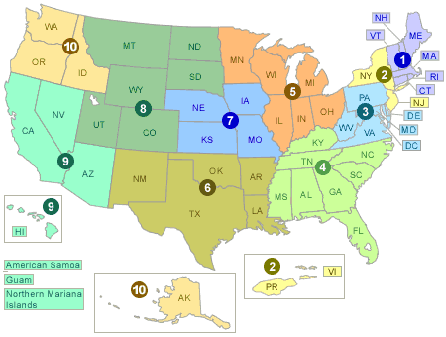
- The system must be located on Federal Trust Tribal lands (Indian reservations) within the ITCA National Tribal Water Systems Programs service area, which includes United States Environmental Protection Agency (USEPA) Regions 5 through 10.
- A utility manager may be nominated if they consistently perform the day-to-day operations and maintenance duties of a small, rural Tribal water or wastewater system.
Nominations that do not meet the eligibility criteria may be determined ineligible during the pre-screening process.
Nomination Deadline: July 10, 2026
How to Nominate an Operator
Complete the attached Nomination Form and return it to ITCA by one of the following methods:
Email: TWSInfo@itcaonline.com
Fax: (602) 258-4825, or
Mail: Inter Tribal Council of Arizona, Inc.
NATIONAL TRIBAL WATER SYSTEMS PROGRAMS
Attention: Anisa Flores
2214 North Central Avenue
Phoenix, Arizona 85004
Click Here: 2026 Operator of the Year Nomination Packet
The Need to Do More Than Screen
A Mother’s Story: Beyond the Checklist
Emily Johnson’s story sheds light on Postpartum Anxiety and suicidal thoughts and how screening alone isn’t alone isn’t enough. Her experience highlights the urgent need for invlusive, culturally responsive mental health care that truly supports all birthing people. Read her story.
A Mother’s Story: Postpartum Anxiety and Suicidal Thoughts and the Need to Do More Than Screen
Indian Health Service access and health insurance coverage associated with higher quality perinatal care among American Indian and Alaska Native people
A new School of Public Health study finds that perinatal care among AI/AN people is insufficient for many, but access to Indian Health Service care and health insurance coverage may help.
Food Insecurity in Pregnancy, Receipt of Food Assistance, and Perinatal Complications
“In this cohort study, food insecurity in pregnancy was associated with a higher risk of perinatal complications, and these associations were overall attenuated to the null among individuals who received food assistance in pregnancy. These findings support clinical guidelines of screening for food insecurity in pregnancy and provide evidence to expand food assistance programs that may help improve maternal and neonatal outcomes.” See link for more information.
Food Insecurity in Pregnancy, Receipt of Food Assistance, and Perinatal Complications
Indigenous doulas helping Native moms take back their health after centuries of discrimination
“Now, organizations across North America are resuscitating the practice of Indigenous doulas. They’re training them to offer culturally safe, emotional and physical care, relying on traditional knowledge and reestablishing their place in the health care system: by the sides of Indigenous birthing women, where today’s doulas say they were always meant to be.” Read more below!
Indigenous doulas are helping Native moms take back their health after centuries of discrimination
National Indian Health Board Tribal Prenatal-to-Three Policy Agenda
The National Indian Health Board developed the Tribal Prenatal-to-Three Policy Agenda to raise
awareness regarding the most impactful and culturally appropriate policy levers and strategies
to support American Indian and Alaska Native (AI/AN) health and wellbeing in the earliest years
of life, from the prenatal period through age 3. These recommendations chart a path forward to
health equity and improved outcomes for AI/AN families, infants, and toddlers.
2024 Tribal Prenatal-To-Three Policy Agenda
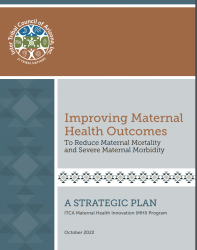
MHI Tribal Maternal Health Strategic Plan
In 2020, the Inter Tribal Council of Arizona, Inc. (ITCA), was contracted by the Arizona Department of Health Services (ADHS) to develop a strategic plan in collaboration with tribal maternal health professionals. The Maternal Health Innovation program is funded nationally by HRSA and is designed to assist states in collaborating with maternal health experts and optimizing resources to implement state-specific actions that address disparities in maternal health and improve maternal health outcomes.
Program Purpose:
The purpose of the Maternal Health Innovation Program is to reduce maternal mortality and morbidity in American Indian communities in Arizona.
MHI Program Goals
- Improve maternal mortality and morbidity in Tribal communities
- Improve access to maternal health data surveillance
- Improve maternal health partnerships between tribal communities and the state
Maternal Health Resources
Governmental and large-scale health and policy organizations addressing maternal and child health (MHI) broadly.
• Arizona Department of Health Services (ADHS)
• Arizona Center for Rural Health
• ADHS Women’s and Children’s Health
• CDC: Maternal Mortality
• CDC: Hear Her Campaign
• Health Resources and Services Administration (HRSA)
• HRSA Tribal Affairs
• Indian Health Service (IHS)
• Medicaid Innovation Collaborative
• Arizona Health Care Cost Containment System (AHCCCS)
• National Indian Health Board (NIHB)
• Public Health Shift (Maricopa)
• American Public Health Association (APHA)
• Doula Medicaid Project
• Doula Medicaid Resource Library
• Best Practices for Medicaid Coverage for Doula Care
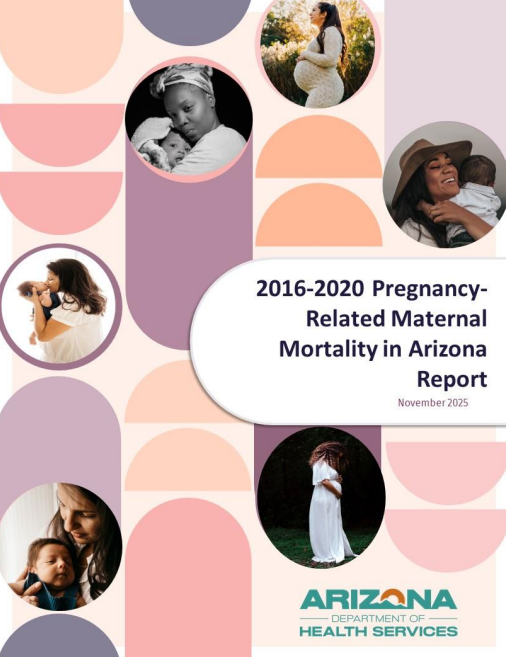
• Pregnancy Related Deaths: Data from Maternal Mortality Review Committees
• American Indian/Alaska Native Pregnancy Related Deaths: Data from Maternal Mortality Review Committees
• From Barriers to Bridges: Implementing Access Solutions to Improve American Indian, Alaska Native and Native Hawaiian Maternal Health
• Strengthening Maternal Health Data to Improve Health and Wellbeing in American Indian and Alaska Native Communities
• Preventing Maternal Mortality and Morbidity among American Indian, Alaska Native and Native Hawaiian People
• Building Systems of Care: Investment in Native Maternal Health Infrastructure
• Workforce Equity in Maternal Health: Tribal and Native Community-Led Solutions
Organizations and initiatives supporting Indigenous and tribal maternal health needs.
• Native Health
• Native Birthworkers
• Cihuapactli Collective
• Seattle Urban Natives
• Native American Women’s Dialogue on Infant Mortality (NAWDIM)
• Family Spirit Program
• Indigenous Midwifery
• Paths Remembered
• Arizona Birthworkers of Color
• Indigenous Birth
• Navajo Nation Institute (NNI)
• Labriola National American Indian Data Center
• Indian Country ECHO
• Native Reach
• Albuquerque Area Southwest Tribal Epidemiology Center (AASTEC)
• National Council of Urban Indian Health (NCUIH)
• Arizona Advisory Council on Indian Health Care (AACIHC)
• Reclaiming Native Truth
Community-focused organizations, advocacy groups, and educational resources for maternal health.
• Spinning Babies
• Evidence-Based Birth
• Doula Match
• Candelen.org
• Healthy Families Arizona
• March of Dimes
• Maternal Health Learning and Innovation Center
• Support Birth
• PSI Arizona
• Spiritual Garden Healing
• CityMatCH
• Brazelton Touchpoints: Indigenous Early Learning
• CARE Principles for Indigenous Data Governance – NNI Database
• Nutrition Guide for Postpartum and Breastfeeding Mothers
Research organizations and specialized initiatives for advancing maternal health and well-being.
• Seven Directions Indigenous Public Health Institute
• Johns Hopkins Center for Indigenous Health (CIH)
• Maternal and Child Health Bureau
• Reproductive Grief Care
• Brazelton Touchpoints Center
• Safe to Sleep Campaign (NICHD)
• First Things First
• Arizona Perinatal Trust
• Rural Development (USDA)
• Fatherhood Initiative
Research and resources to support recovery and well-being.
• Opioid Service Locator
• Arizona Pregnant and Parenting Women Resource Guide
• Supporting Recovery with Pregnant, Birthing and Parenting People Living with Substance Use Disorder
• AZ Mental Health Map
Interviews, shorts, and videos on maternal health.
• Know When to Seek Help for Depression After Giving Birth
• Know the Warning Signs: Being Informed Saves Lives
Related Resources for Further Learning
- National Museum of the American Indian: Native Knowledge 360 Curriculum
- BecomingVisible: A Landscape Analysis of State Efforts to Provide Native American Education for All
- Columbia University: Here’s How Indigenous Curriculum Can Help Students Thrive
- Hechinger Report: We must support the teachers who will be in charge of expanding Native history lessons
- The Nation: States Were Adding Lessons About Native American History – Then Came the Anti-CRT Movement
- ARS 15-341: Incorporate instruction on Native American history
- ARS 15-710: Instruction in state and federal constitutions, American institutions and history of Arizona
- ARS 15-244: Office of Indian Education (definition)
- Arizona Office of Indian Education
- Arizona State Board of Education Policy Statement: Indian Education
- Igniting Kinship: Restoring the Office of Indian Education Strategic Plan
- California Assembly Bill No. 1703: California Indian Education Act
- California Assembly Bill No. 1703 Fact Sheet
- California Assembly Bill No. 738: Pupil instruction: Native American studies: model curriculum
- California Indian History Education Coalition: Curriculum and Lesson Plans
- History Social Science Framework for California Public Schools (2017)
- High Country News: Indigenous educators fight for an accurate history of California
- State of Hawaii Constitution – Article X, Section 4
- Hawaii Board of Education Policy 2104
- Hawaii Board of Education Policy 2105
- FAQs: Hawaiian Education Program
- Hawaii Office of Hawaiian Education
- Hawaii State Department of Education: Nā Hopena A‘o Framework
- Native Hawaiian Education Act
- Native Hawaiian Education Council
- Confederation of Michigan Tribal Education Departments
- Maawndoonganan: Anishinaabe Resource Manual to accompany the State of Michigan Social Studies Standards
- Michigan Department of Education: Indigenous Education Initiative
- Michigan K-12 Standards: Social Studies (June 2019)
- Chalkbeat Detroit: Michigan to infuse curriculum with Native American history
- Minnesota Governor Executive Order 19-24: Affirming the Government-to-Government Relationship between the State of Minnesota and Minnesota Tribal Nations
- Minnesota Statute Section 10.65: Government-to-Government Relationship with Tribal Nations
- Minnesota Office of American Indian Education
- Understand Native Minnesota
- We Are Still Here Minnesota: K-12 Education Working Group
- Restoring Our Place: An analysis of Native American resources used in Minnesota’s classrooms
- Ninety percent of Minnesotans support teaching more Native American content in K-12 schools
- 2010 Minnesota Statutes 120B.021: Required Academic Standards
- Southwest News Media: Shakopee Mdewakanton Sioux Community hosts academy to improve Native American history in schools
- Montana House Bill 338 (May 2023)
- Montana Free Press: Indian Caucus priorities signed into law (May 2023)
- Montana Office of Public Instruction: Indian Education for All
- Montana Office of Public Instruction: Indian Education in Montana
- Learning Hub: An Introduction to Indian Education for All in Montana
- Montana Office of Public Instruction: Montana Indian Education for All Evaluation
- Carol and Denise Juneau: Indian Education for All: Montana’s Constitution at Work in Our Schools
- Montana Free Press: Montana’s long road to make good on Indian Education for All
- New Mexico Social Studies Standards (updated 2022)
- New Mexico Social Studies Standards – Final Rule (2022)
- New Mexico Indian Education Act
- New Mexico Indian Education Act Implementation
- New Mexico State-Tribal Collaboration Act
- New Mexico Native Nations, Tribes, and Pueblos: Tribal Remedy Framework
- Albuquerque Journal: Tribal education leaders’ feelings mixed on state’s progress
- Oregon Senate Bill 13
- Oregon Department of Education: Tribal History/Shared History
- Senate Bill 13: Tribal History/Shared History (video)
- Oregon Department of Education: Tribal Consultation Toolkit Guide 1.0
- Essential Understandings of Native Americans in Oregon: Introduction
- Tribal History/Shared History: Essential Understandings of Native Americans in Oregon
- Oregon American Indian /Alaska Native Student Success Plan 2020-2025
- Oregon.Gov: Indian Education Resources
- Ethos: Teaching an Indigenous Way of Life
- South Dakota Indian Education Act
- South Dakota Office of Indian Education: Oceti Sakowin Project
- Oceti Sakowin Essential Understandings & Standards
- South Dakota Social Studies Content Standards (2023)
- South Dakota Social Studies Content Standards (Proposed by educators)
- South Dakota Education Equity Coalition: South Dakota Tribes Unite Against Governor’s Inadequate Social Studies Standards (April 2023)
- Since Time Immemorial: Tribal Sovereignty in Washington State
- Washington Senate Bill 5028: Requiring teacher preparation programs to integrate Native American curriculum (2018)
- Washington Senate Bill 5433: K-12 Education – Tribal Education (2015)
- Washington House Bill 1495: Tribal History – Common Schools (2005)
- Washington Social Studies Learning Standards
- Crosscut: After seven years, WA tribal history curriculum still not fully implemented
- Crosscut: Native history is Washington history, and tribes are helping schools teach it
- The Seattle Times: Learning Nisqually history starts with building a sense of place
- The Columbian: After 7 years, Washington tribal history curriculum still not fully implemented
- KUOW: This is how you create a curriculum the Tulalip way
- State Statutes for American Indian Studies in Wisconsin
- Fact Sheet for Wisconsin American Indian Studies
- Wisconsin First Nations: American Indian Studies in Wisconsin
- Wisconsin First Nations: Teacher Exemplars
- Wisconsin American Indian Studies: Tribal MOUs
- Annual Wisconsin American Indian Studies Summer Institute
- Wisconsin Education Act 31: Administrator and Teacher Survey Report (2014)
- Wisconsin Indian Education Association
- Developing Agreements between Local Education Agencies and American Indian Nations and Tribal Communities: A Wisconsin Perspective
- Wisconsin Public Radio: ‘Representation matters’: Educators teach importance of tribal nations in Wisconsin, their histories and cultures
Toolkits
Social Media Toolkit
ITCA is pleased to provide a social media toolkit for tribal health programs to promote perinatal health in their communities. This is a living document that will be updated periodically as we add new information so check back often! There are also links to presentations on how to share maternal health research findings using social media.
Click here to access the social media toolkit
Disseminating Maternal Health Research Findings on Social Media
Practical Steps for Using Social Media to Improve Maternal Health Outcomes
Pediatric Primary Care Toolkit
Implementing a Tribal Maternal Health Task Force Toolkit
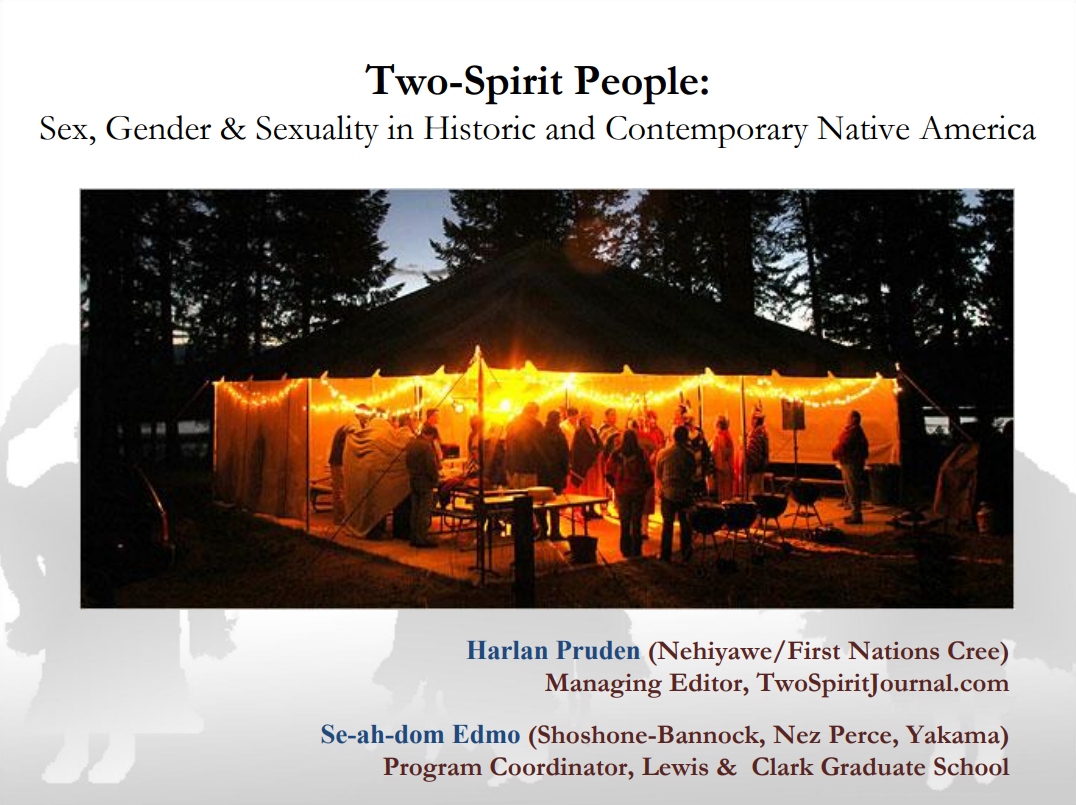
Two-Spirit People: Sex, Gender & Sexuality in Historic and Contemporary Native America
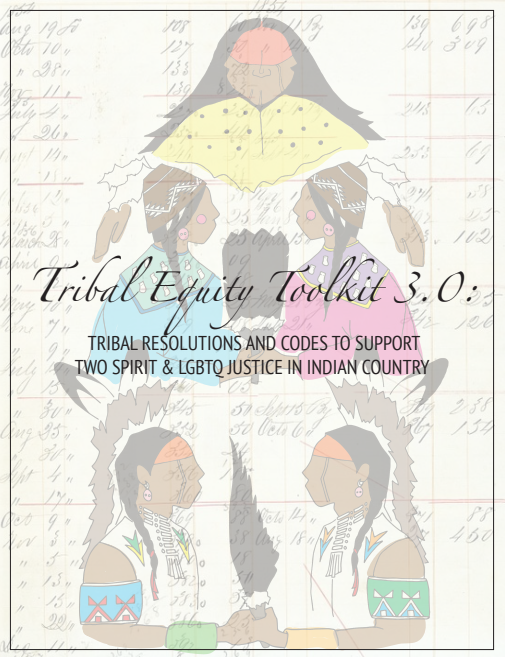
Tribal Equity Toolkit 3.0: Tribal Resolutions and Codes to Support Two Spirit & LGTBQ Justice in Indian Country
Indigenizing Love: A Toolkit for Native Youth to Build Inclusion
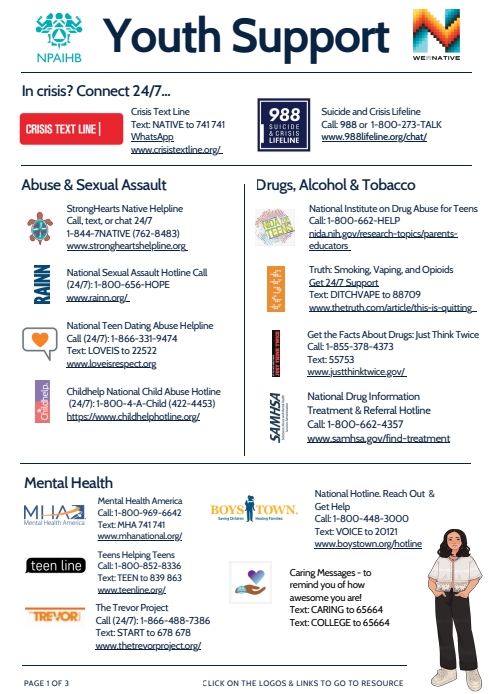
Youth Support: Connecting Native youth with valuable resources to support them in all walks of life.
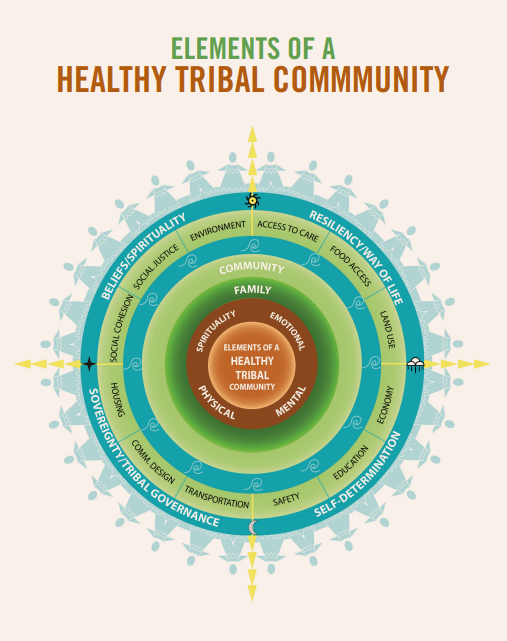
Elements of a Healthy Tribal Community
Tribal toolkit for Navigating Federal Grant Terminations
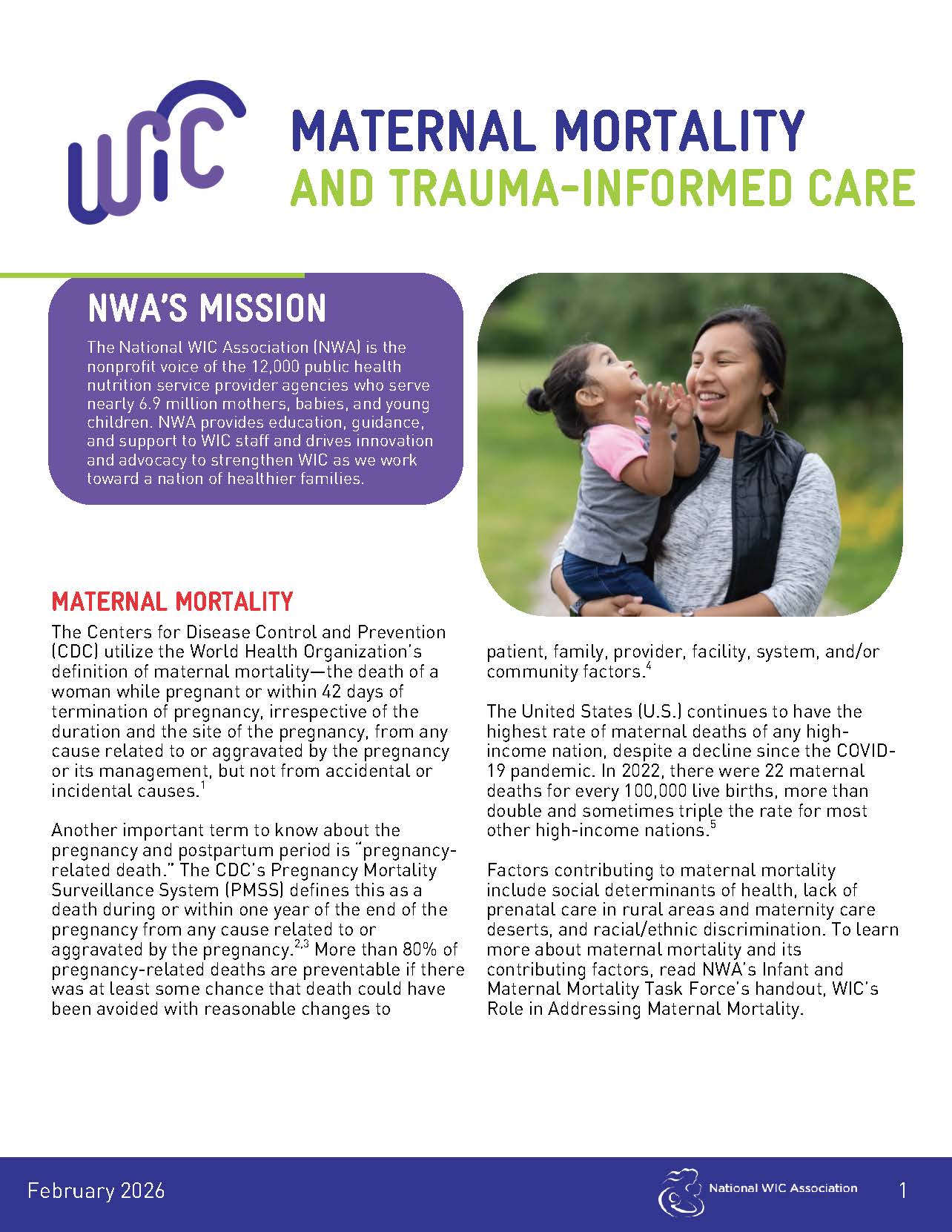
Maternal Mortality and Trauma-Informed Care
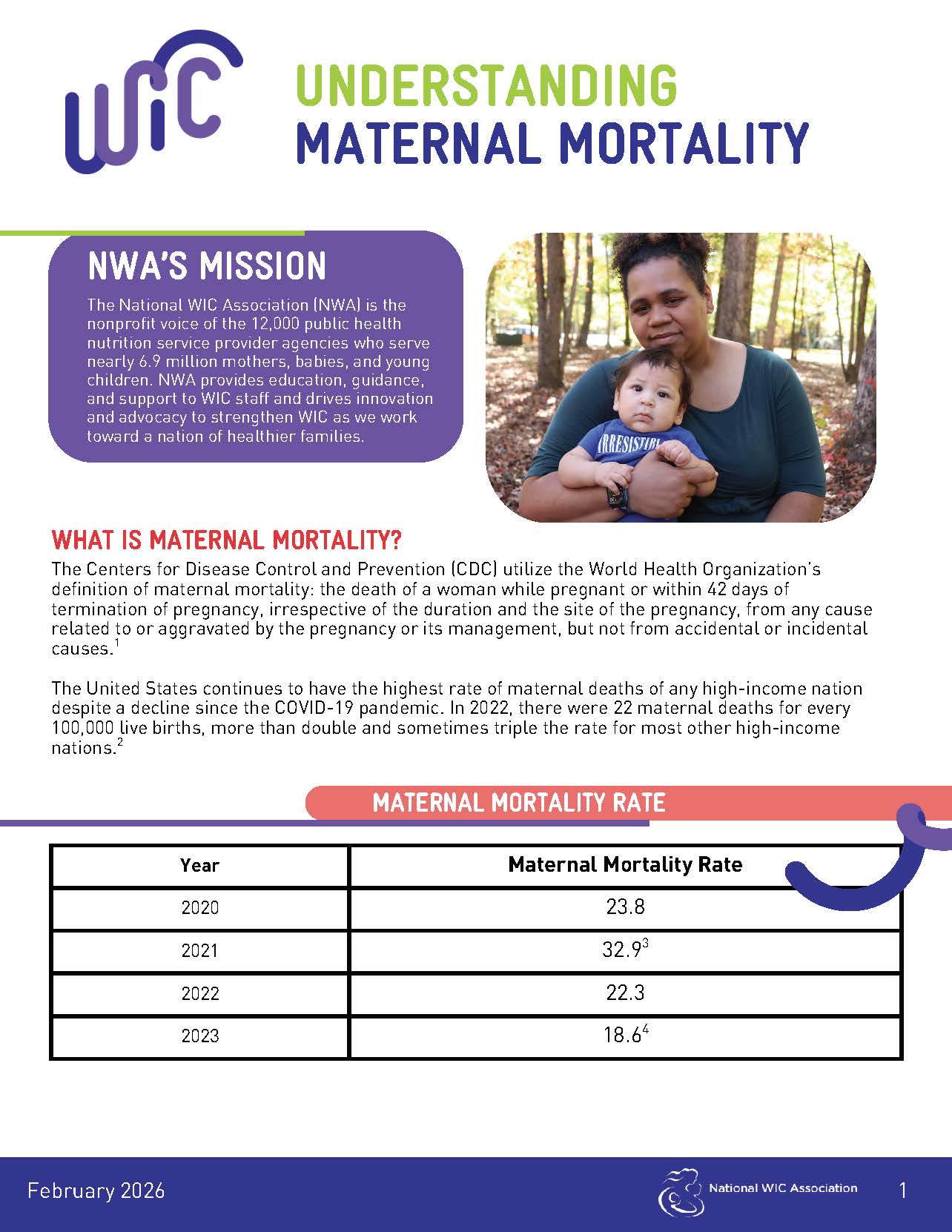
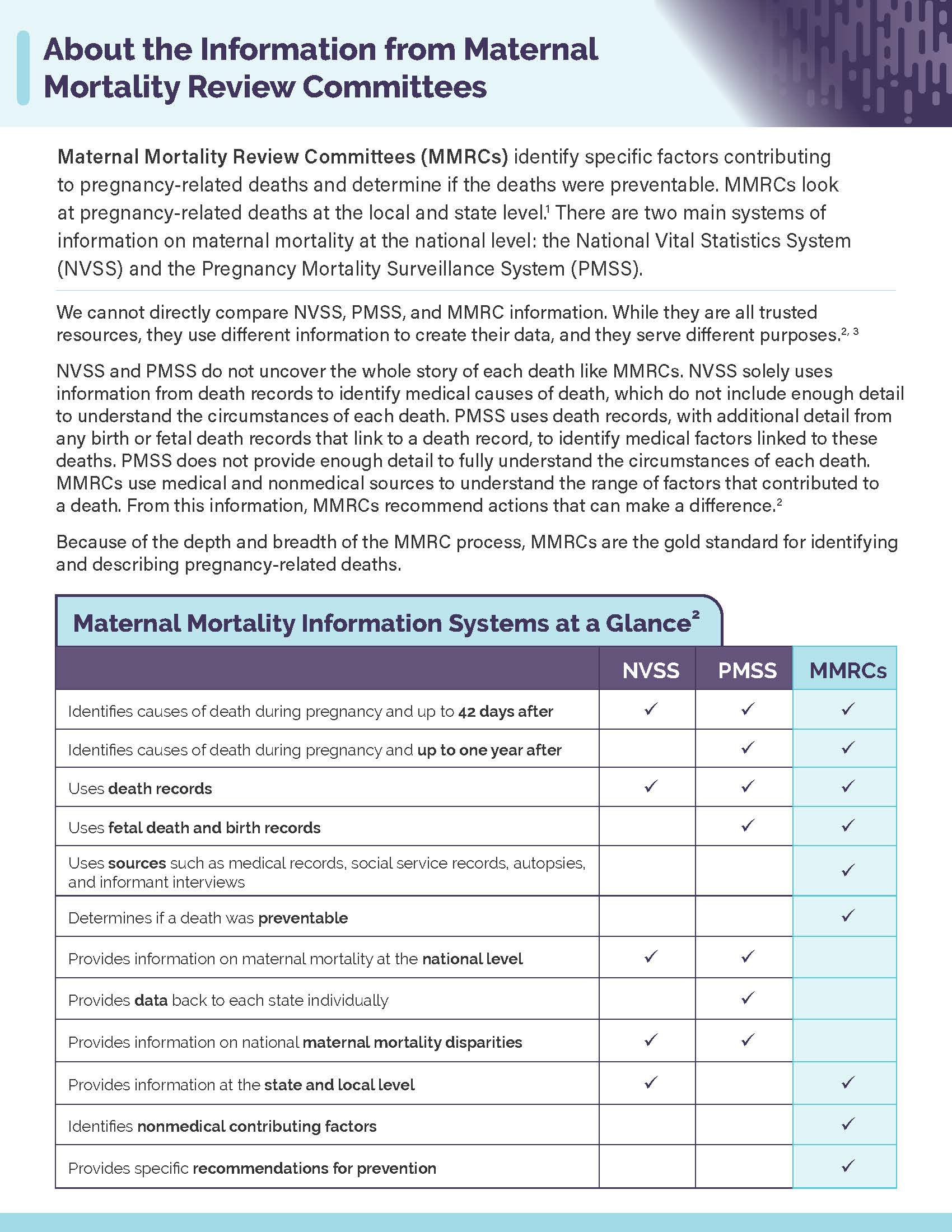
Understanding Maternal Mortality
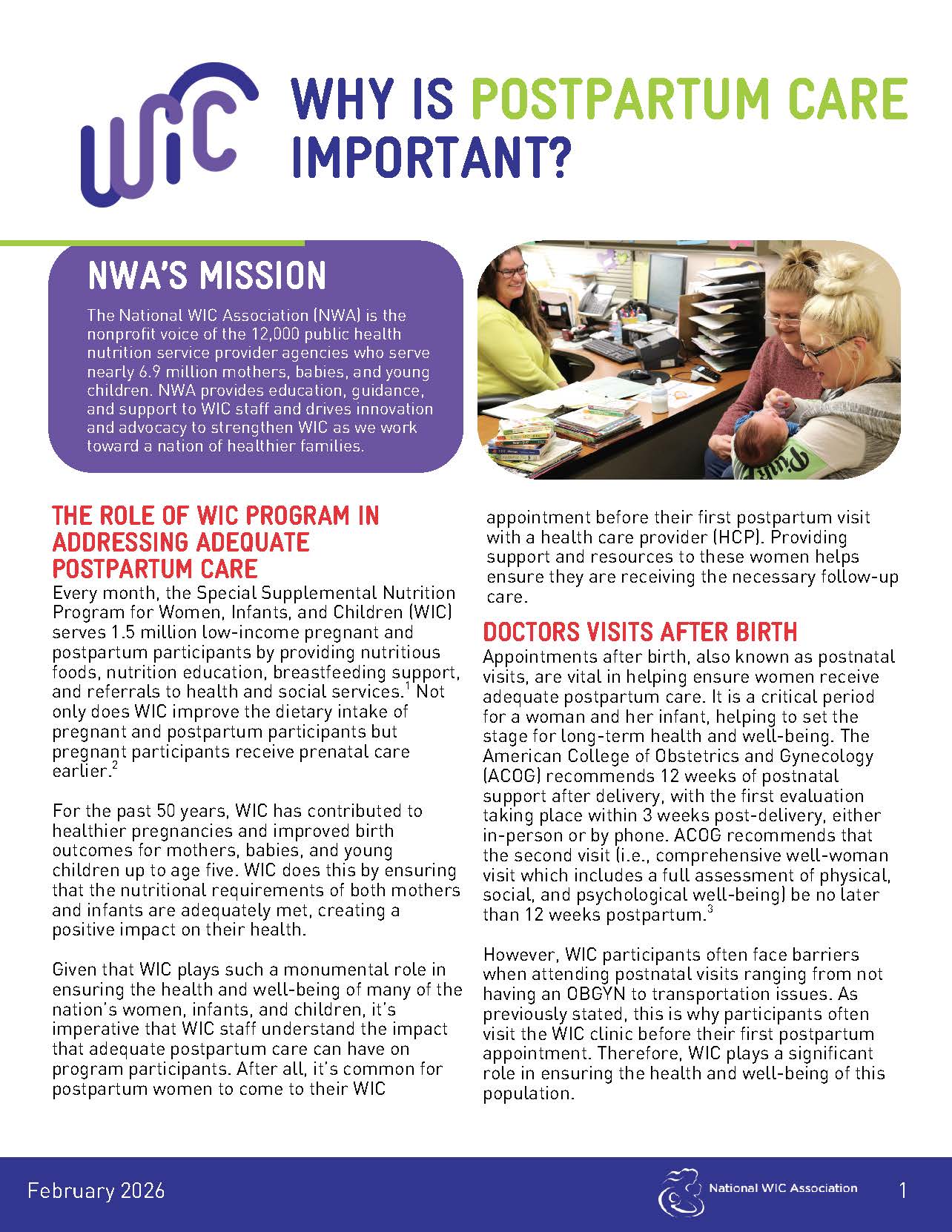
Why is Postpartum Care Important?
2026 Tribal Public Health Conferences
The views expressed in written conference materials or publications and by speakers and moderators do not necessarily reflect the official policies of the Department of Health and Human Services, nor does the mention of trade names, commercial practices, or organizations imply endorsement by the U.S. government.
Upcoming National and Regional Conferences
Tribal Public Health Conference 2026; “The Vision for Generational Healing, Health, and Wellness”
- Dates: April 7 – 9, 2026
- Location: Oklahoma City Convention Center; Oklahoma City, OK
- Website: Tribal Public Health Conference – A 7th Generation and Southern Plains Tribal Health Board Collaboration
- Registration fees: Early bird ends on 2/20/26 ($100 registration); Regular price ($120)
National Tribal Health Conference 2026
- Dates: August 16 – 21, 2026
- Location: Sheraton Grand at Wild Horse Pass; Chandler, AZ
- Website: National Tribal Health Conference 2026 – National Indian Health Board
- Registration fees: Varies; Early bird 2/01/26-3/31/26; Regular ends 8/15/26; On-site registration will be available and discounted pricing for early career/graduate students.
Tribal Maternal Health Steering Committee Meetings
The steering committee is composed of health care, community health, traditional healers, and other maternal health professionals who work with pregnant women and those of childbearing age in tribal communities across Arizona. Meetings are designed to share data, best practices, and new ideas to support pregnant people and their families. The Steering Committee also informs ITCA’s work on implementation of the Tribal Maternal Health Strategic Plan.
If you would like to participate in steering committee meetings, contact Wendell Honanie, Jr. at wendell.honanie@itcaonline.com.