


Recorded Webinars
Missed a webinar? Check them out below along with any accompanied resources Webinar Toolkits and Workbooks.
Strategies and tools on using, collecting, and evaluating data through an indigenous lens.


ACEs, Historical Trauma and Emotional Wellness information and strategies.


Maternal health information on perinatal and postpartum care.


Holistic and indigenized approaches to birthwork.
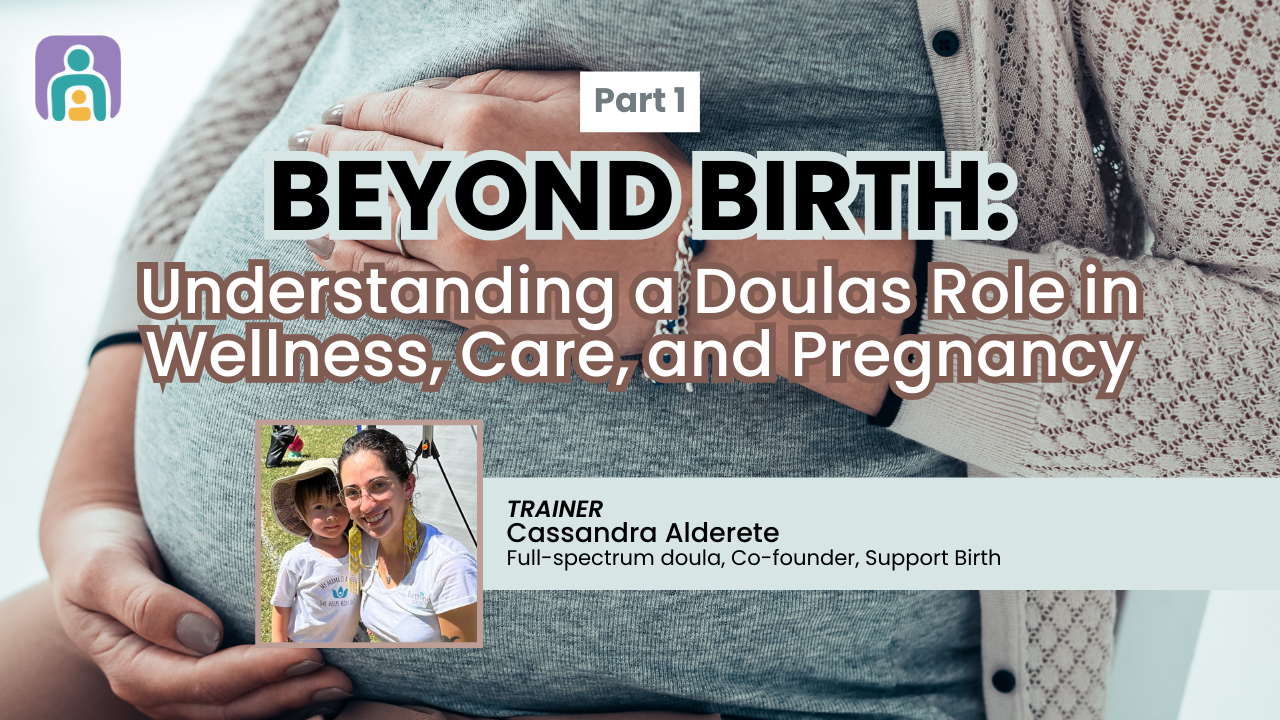


Resources meant for all birthing people and community members with accompanying toolkits/workbooks.




Understand how epigenetics affects indigenous communities and maternal health outcomes.


Introduction to Cultural Safety
This course is available free on line through Frontier Nursing University.
The purpose of this course is to:
Introduce the concept of cultural safety and to explore the three main aspects of it, which include:
- Learning about the history and impacts of colonization on Indigenous people in the U.S.
- Being self-reflective on our identities as health providers who may care for Indigenous people
- Centering the Indigenous patient experience and listening as the patient defines what safe care is
At the end of this Introduction to Cultural Safety course, learners will be able to:
- Define cultural safety
- Identify the three key tenets of cultural safety
- Explain the impacts of colonization on Indigenous people in the U.S.
- Describe what culturally safe vs. culturally unsafe care may look like (give examples)
- Discuss personal and systems change strategies for improving the cultural safety of care
https://ceu.catalog.instructure.com/courses/introduction2cultural-safety