Thriving Through Menopause

This menopause journal is designed to go alongside the Pregnancy Across the Lifespan two-part webinar series and is a comprehensive resource for you as you go through the menopause. Inside you should find a wealth of practical tips and advice for managing the menopause.
Pregnancy Across the Lifespan Part One
Pregnancy Across the Lifespan Part Two
Indigenous Evaluation Tools for Maternal Health
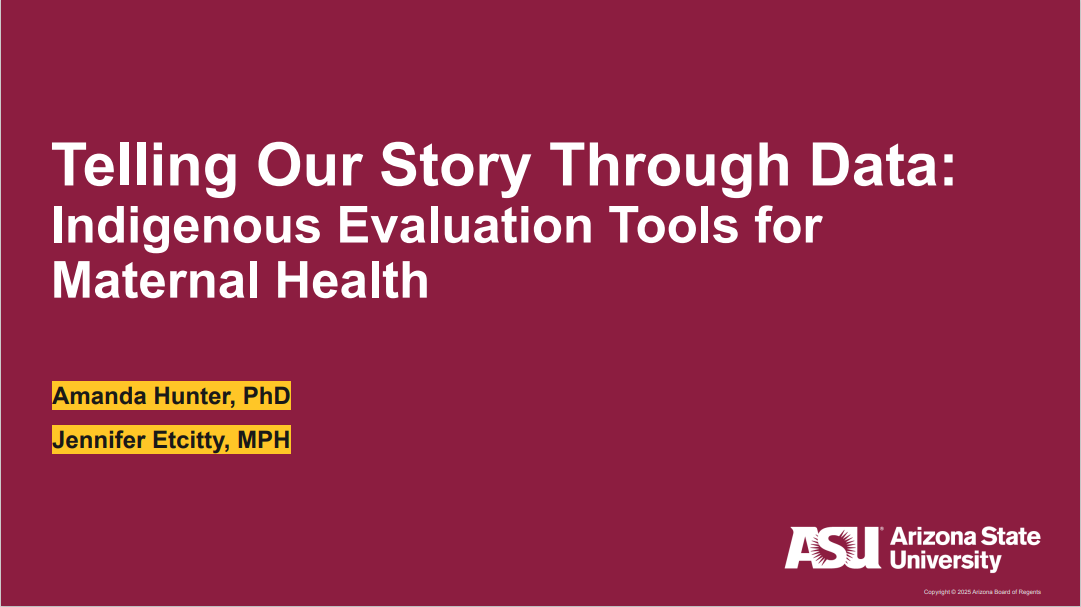
Access the presentation from our recorded webinar and resources for Indigenous evaluation tools as you work on developing your curriculum, program, and/or organization.
Telling Our Story Through Data: Indigenous Evaluation Tools for Maternal Health
Road Map Through Pregnancy Care

A road map designed to help you navigate your pregnancy, birthing process, and postpartum care.
Empowered Bodies Workbook

Welcome to the Empowered Bodies workbook, a companion to our two-part webinar Empowered Bodies, Empowered Minds, designed to help you reconnect with the natural rhythms of your body and embrace the power of cyclical living. This workbook offers practical tools, insights, and guidance to help you align your life with the ebb and flow of your unique cycle.
Empowered Bodies, Empowered Minds Part One
Empowered Bodies, Empowered Minds Part Two
Reproductive Grief Care Best Practices

A toolkit for providers or Birthworkers who have patients dealing with reproductive grief. This toolkit helps you start the conversation, respond with compassion, and give the individual permission to grieve.
I Care: What Do I Do If Someone Shares His/Her Story with Me?

Because reproductive loss is rarely talked about, it’s normal for those being confided in to feel confused about what to do or say. Here are some things to keep in mind if a man, woman, family member, or friend approaches you about their own or a loved one’s loss.
Patient Information Sheet: Grief & Loss After Miscarriage

For anyone experiencing difficulty following a pregnancy loss.
Patient Information Sheet: Grief & Loss after Abortion

For anyone experiencing difficulty following pregnancy termination.
Advancing Health Equity for LGBTQIA+ and Birthing Persons: A Decolonized Approach

This presentation accompanies a one-part webinar that helps you identify health disparities across identities with Tribal communities, how medical mis/distrust impacts LGBTQIA+ Tribal members, how barriers and facilitators to care can change based on holding multiple identities and underlines the importance of decolonizing language, beliefs, and approaches when working with LGBTQIA+ birthing persons.